
For years, the biggest debates in Meta advertising revolved around targeting. Marketers obsessed over interest stacks, tested 1% vs 3% lookalike audiences and built complex campaign structures in search of the perfect audience.
But the rules of Meta Ads have changed. Today, the biggest lever in performance isn’t targeting; it’s creative.
And if your Meta strategy still revolves around audience hacks rather than creative testing, you’re likely optimising the wrong thing.
Several major changes have reshaped how Meta ads work.
The first is privacy regulation. Apple’s App Tracking Transparency (ATT) significantly reduced the amount of third-party behavioural data available to platforms like Meta, weakening many of the granular targeting signals advertisers once relied on.
The second is automation. Meta’s machine learning systems increasingly determine who sees an ad based on behavioural signals, engagement patterns, and predicted outcomes rather than purely manual targeting settings.
As a result, marketers have far less control over targeting, and far more influence over creative.
Meta’s own data supports this shift. According to research shared by Meta’s data science team, 56% of campaign outcomes can be attributed to ad creative alone, including the visuals, copy and messaging used in the ad.
Other industry research reinforces this finding. Studies cited by Nielsen and Google have found that creative elements such as images and video can account for up to 70% of advertising performance in many campaigns.
In other words: the audience still matters, but the creative increasingly determines whether the algorithm can find that audience in the first place.
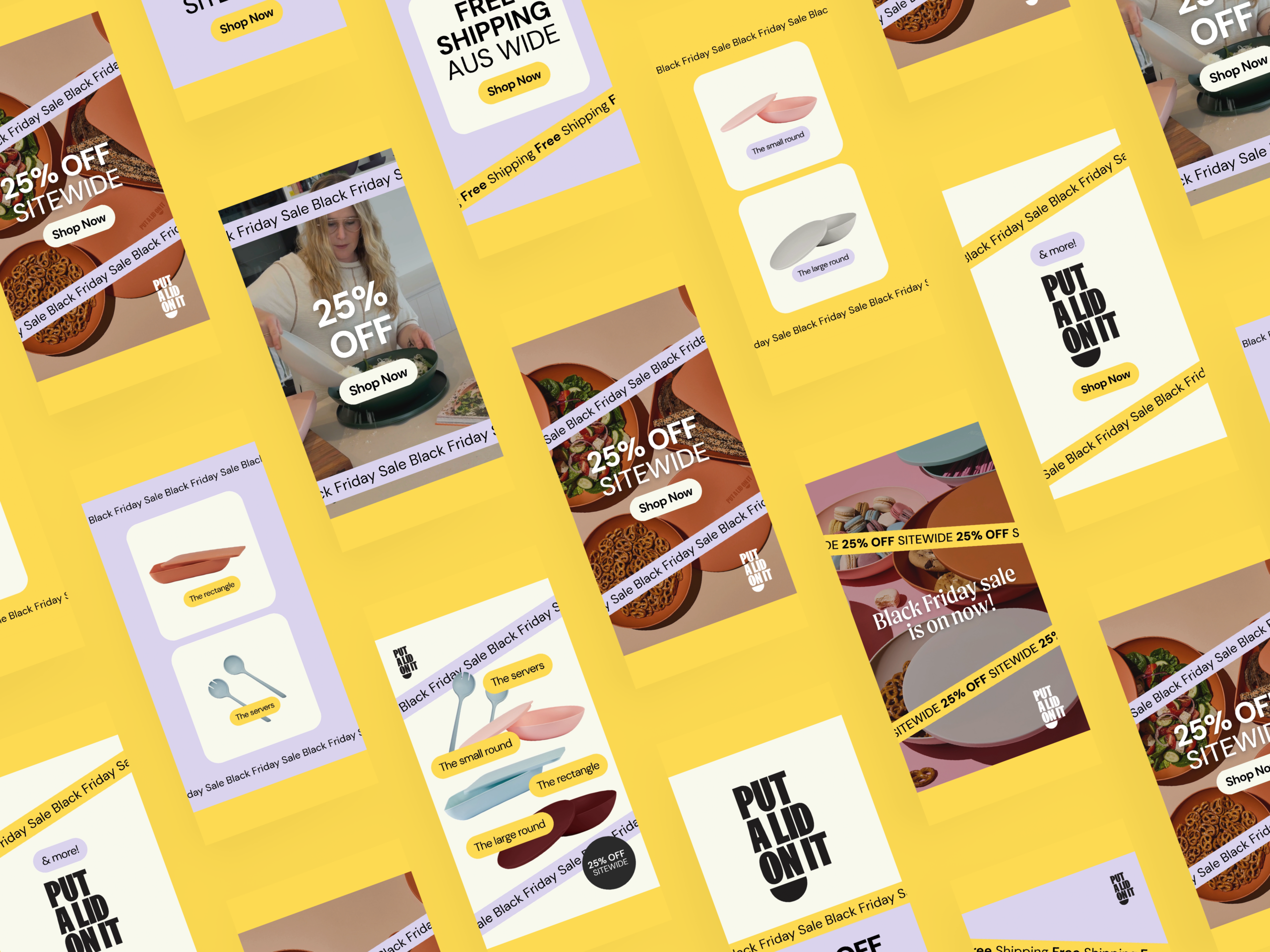
How Creative Became the New Targeting
Meta’s ad delivery system works by analysing how users interact with content. When someone stops scrolling, watches a video, clicks an ad, or converts, the platform gathers signals about what type of user is responding.
Your creative is what triggers those signals.
A fitness-focused visual attracts people interested in health.
A SaaS-style product demo attracts professionals.
A problem-solution hook resonates with users experiencing that pain point.
Over time, Meta’s algorithm learns which users engage with the ad and optimises delivery toward similar people. This means creative effectively acts as a filter for the audience you want to reach.
Why Creative Quality Now Matters More Than Ever
There’s another factor making creative even more critical: attention scarcity.
Consumers today are exposed to thousands of ads every day across digital and traditional platforms. Standing out in a crowded feed requires content that immediately captures attention.
This means the first few seconds of an ad (the hook, the visual, the message) now determine whether the algorithm receives positive engagement signals.
If people don’t stop scrolling, the campaign struggles. If people engage, the algorithm scales the ad.
Creative quality directly impacts:
- Scroll-stopping ability
- Click-through rate
- Conversion rate
- Cost per acquisition
Research has shown that when Meta ads follow strong creative best practices, campaigns can achieve 1.2× to 7.4× increases in short-term sales compared with poorly optimised creative.
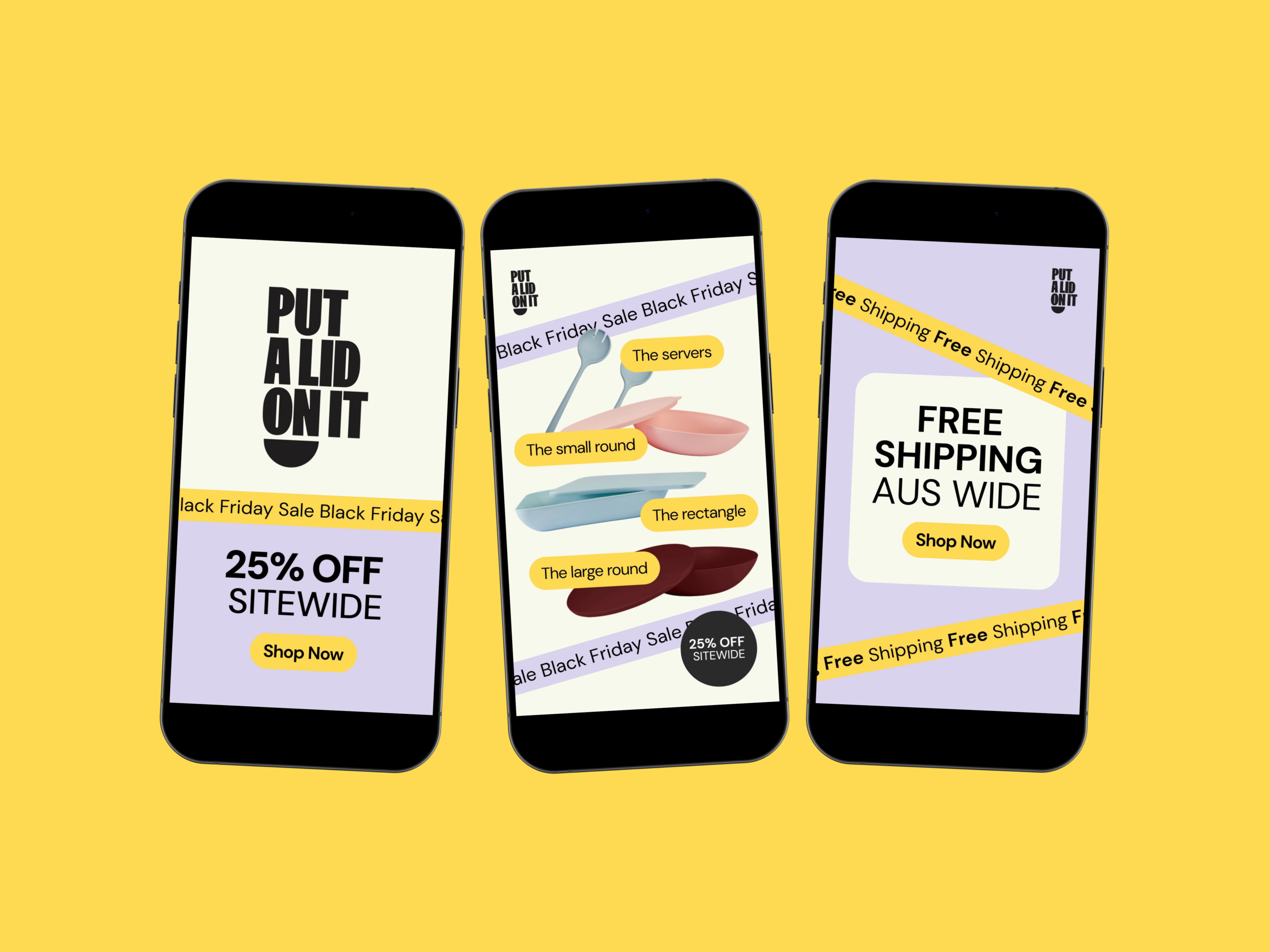
The Brands Winning on Meta Today
Instead of spending hours refining audiences, high-performing brands focus on testing:
- Different messaging angles
- Hooks and opening lines
- Video vs static formats
- UGC-style content
- Testimonials and social proof
Recent analysis of nearly $1.3 billion in Meta ad spend across hundreds of thousands of ads found that only 4–8% of creatives become true performance “winners.”
The implication is clear: success in performance advertising isn’t about predicting the perfect ad, it’s about testing enough ideas to discover the winners.
In practice, that means operating more like a content studio than a traditional campaign team.
Meta’s advertising platform has become incredibly good at finding the right audience. What it cannot fix is a weak ad. If your creative doesn’t resonate, no amount of targeting optimisation will save the campaign.


