

The rumours have been circulating for years! Every year or so, someone declares SEO dead. Social media was going to kill it. Then voice search. Then TikTok as a search engine. Now it is AI Overviews and AI Mode, the generative features sitting inside Google Search itself.
This time, Google decided to answer the rumour directly. It published its own guide to optimising for these AI features, and the message inside it is unambiguous. This is still SEO. Not a new discipline, not a reason to rebuild a content strategy from scratch.
We read the guide in full. Here is what it actually says.
AI Overviews Still Run On The Same Index
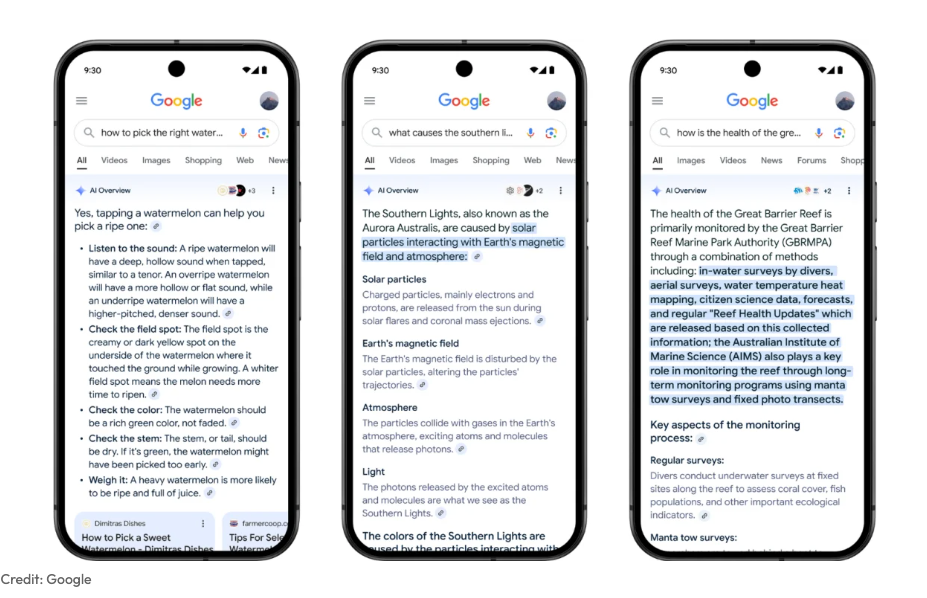
AI Overviews and AI Mode are built on a process Google calls retrieval-augmented generation, or RAG. The AI does not invent answers from nothing. It pulls from Google’s existing search index, the same one every business is already trying to rank in, and grounds its response in real, indexed pages. Those pages are then cited as sources.
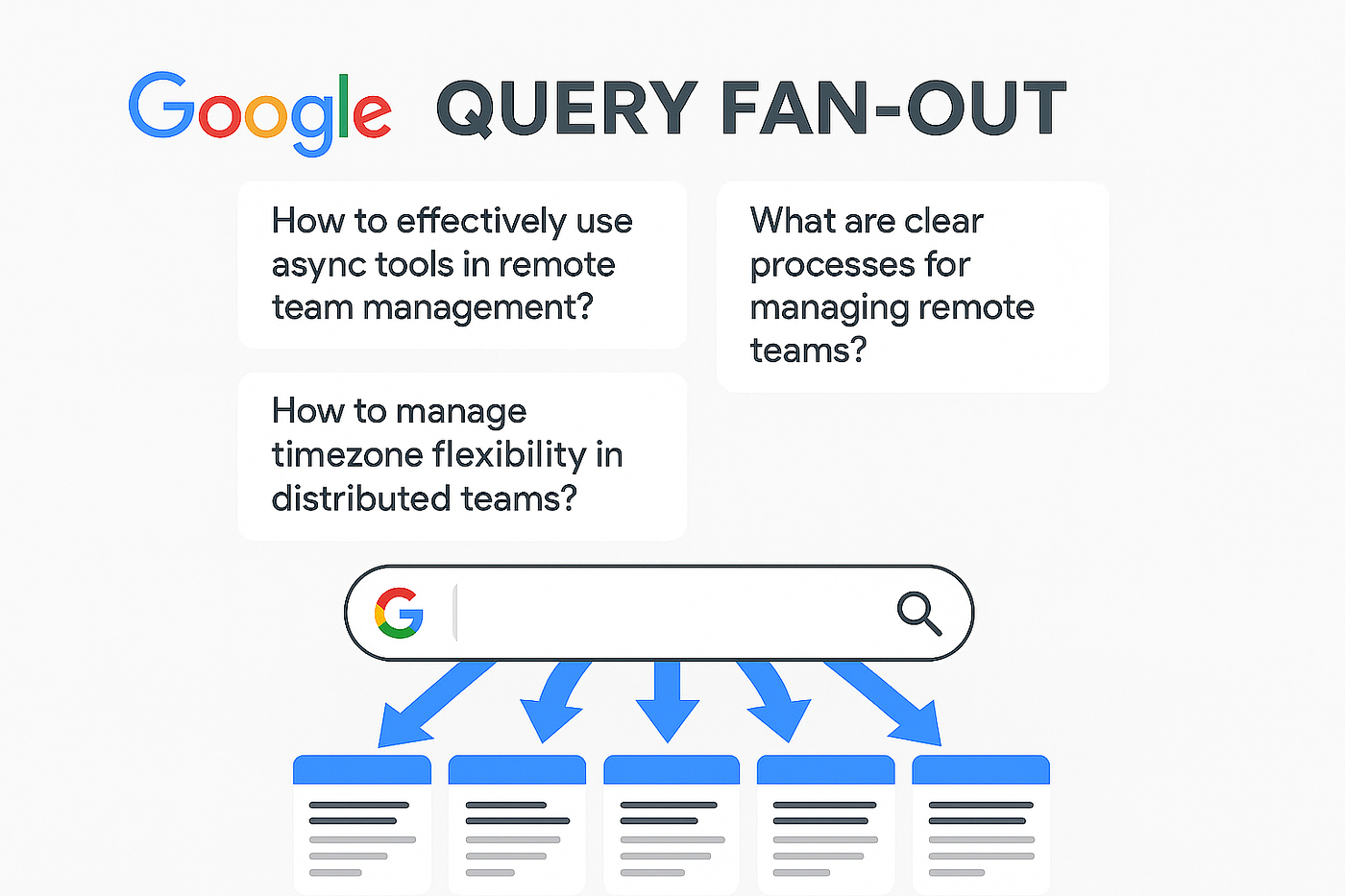
There is also a mechanism Google calls query fan-out. The AI quietly generates related follow-up questions before it answers, expanding a single search into several. A question about removing weeds without chemicals might trigger fan-out queries on soil type or pet safety, and each one is a fresh chance for a relevant page to surface.
The implication is straightforward. A page that is not crawlable, indexed and eligible for a normal search snippet will not appear in an AI Overview either. Technical SEO has not become optional. It has become the entry ticket.
There Is No Separate Discipline Called AEO Or GEO
Two acronyms have been circulating in marketing circles: AEO, for Answer Engine Optimisation, and GEO, for Generative Engine Optimisation. Google’s guide addresses both directly. Optimising for generative AI search is optimising for search. There is no separate rulebook.
That distinction matters for anyone being sold a new “AI SEO” service. If the tactics on offer do not trace back to genuinely useful, well-structured, technically sound content, the claims are worth questioning.
What Actually Works Has Not Changed
Underneath the mythbusting, the guidance is familiar. Content needs a genuine point of view, not another summary of what is already published. Google draws the comparison directly: a generic “7 Tips for First-Time Homebuyers” against a specific, first-hand account of a decision that actually mattered. Clear structure, through headings and logical sections, helps both readers and AI systems navigate a page. The technical basics, crawlability, load speed, clean indexing, remain the foundation everything else sits on. Businesses with a Merchant Center feed or a Business Profile should keep both current, since AI responses increasingly draw local and product detail from there.
Google frames the whole approach around a single question: would this content genuinely satisfy the person searching for it. That question is not new. It has just been given more weight.
The Next Chapter Is Measurement, Not Reinvention
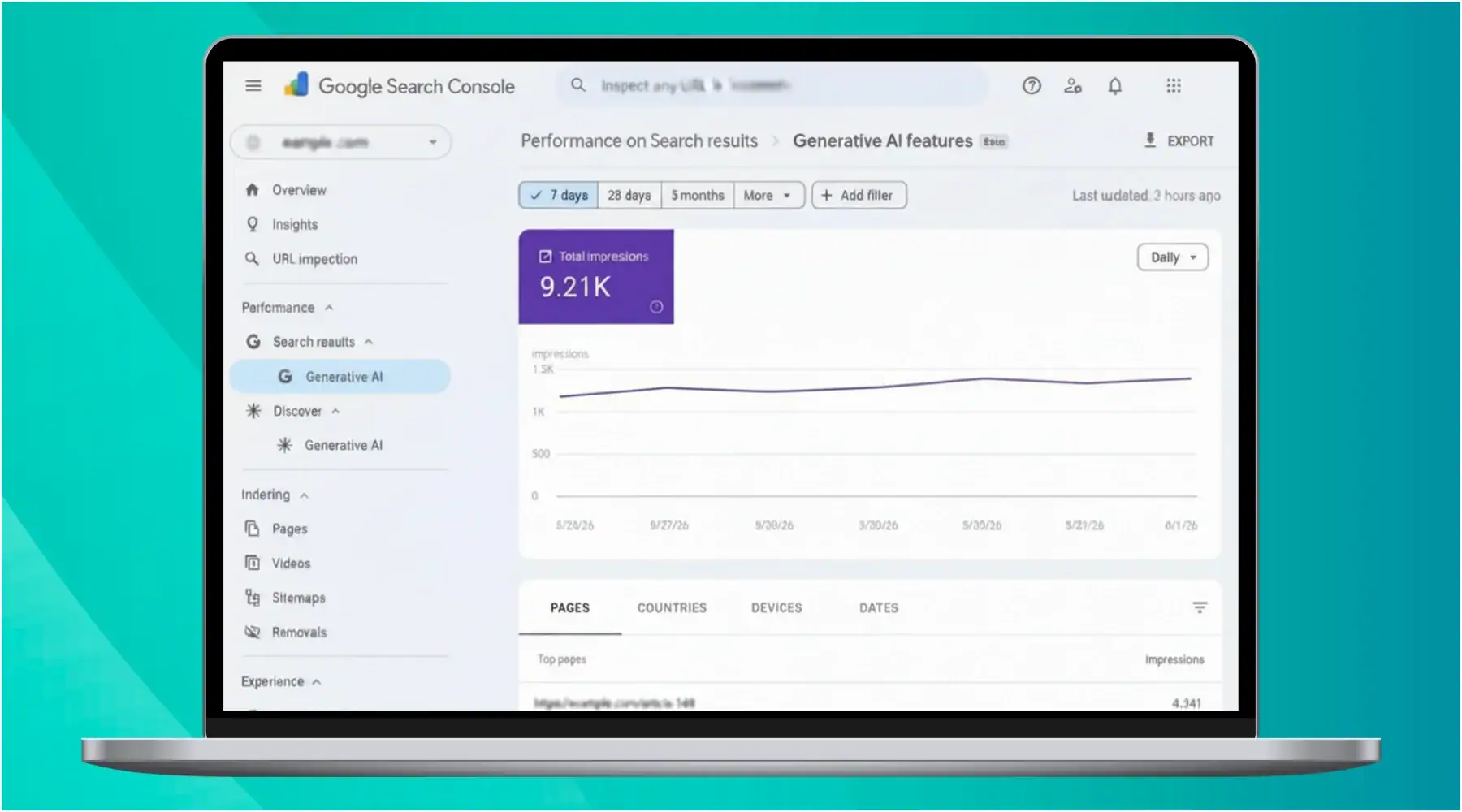
For businesses already investing in useful content and a solid technical foundation, there is no separate AI strategy to bolt on. What has changed is visibility into performance. Search Console now includes a Generative AI performance report, currently the only reliable way to see how a site is showing up inside AI Overviews and AI Mode. Checking that report is a more useful first step than rewriting a site around a rumour.
SEO was never about outsmarking an algorithm. It was about proving a page was worth finding. That has not changed. It has just been asked to prove itself in a new format.


